
For the Love of Oak Trees
We’ve experienced decimation of the American Chestnut, American Elm, and most recently our native North American Ash trees in Western New York and beyond. Today, a new threat endangers our local ecosystem: Oak Wilt disease.
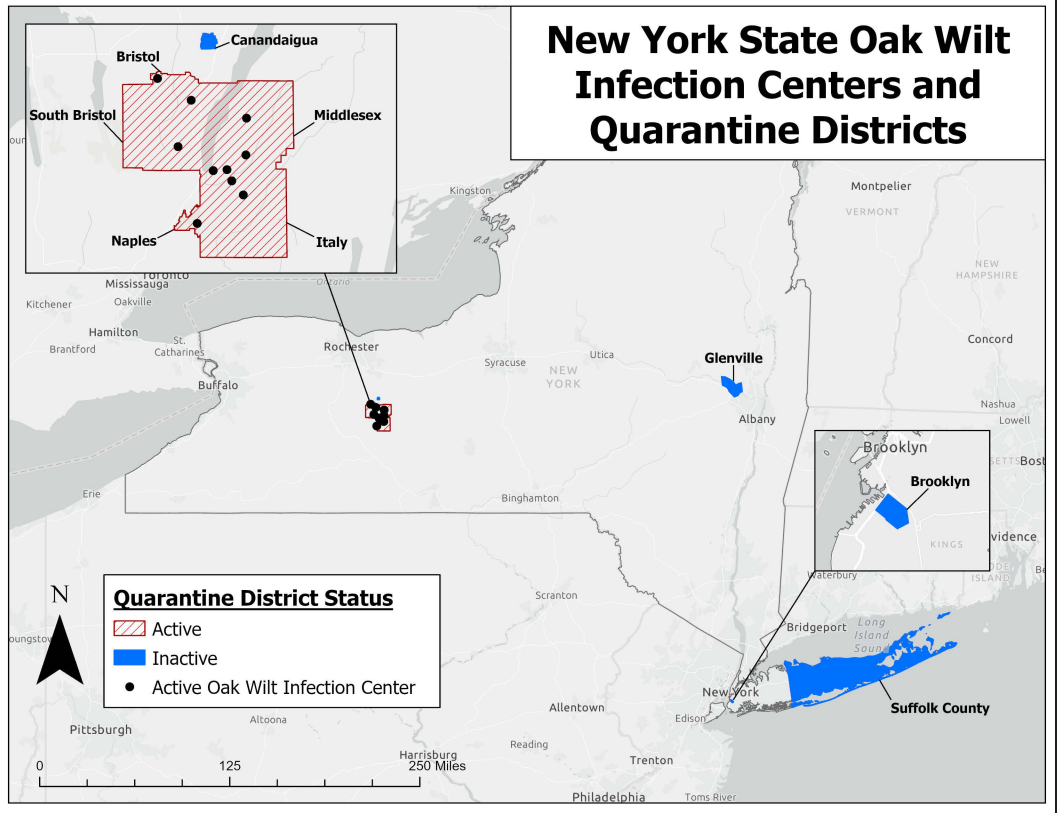
We have been closely monitoring information on this disease through NYS DEC and Cornell’s PDDC research. While the spread has been slow into the Rochester and Finger Lakes regions, the DEC has regulations and local quarantine zones (map below) now in effect .
NYS DEC Oak Wilt
Infection Centers & Quarantine Districts:
What is Oak Wilt?
Oak wilt is a disease caused by Bretziella fagacearum, a fungus that develops in the xylem, effectively “clogging” the water-carrying cells of trees. The oak wilt fungus blocks the flow of water and nutrients from the roots to the crown, leading to rapid leaf wilt, and typically to death of the tree.
How does it spread?
1. Underground: Through root grafts between neighboring trees.
2. Above Ground: Nitidulid beetles carry fungal spores from infected spore mats to healthy trees, with the fungus often entering through open pruning wounds.
Protecting Your Trees:
The “Dormancy Only” Rule
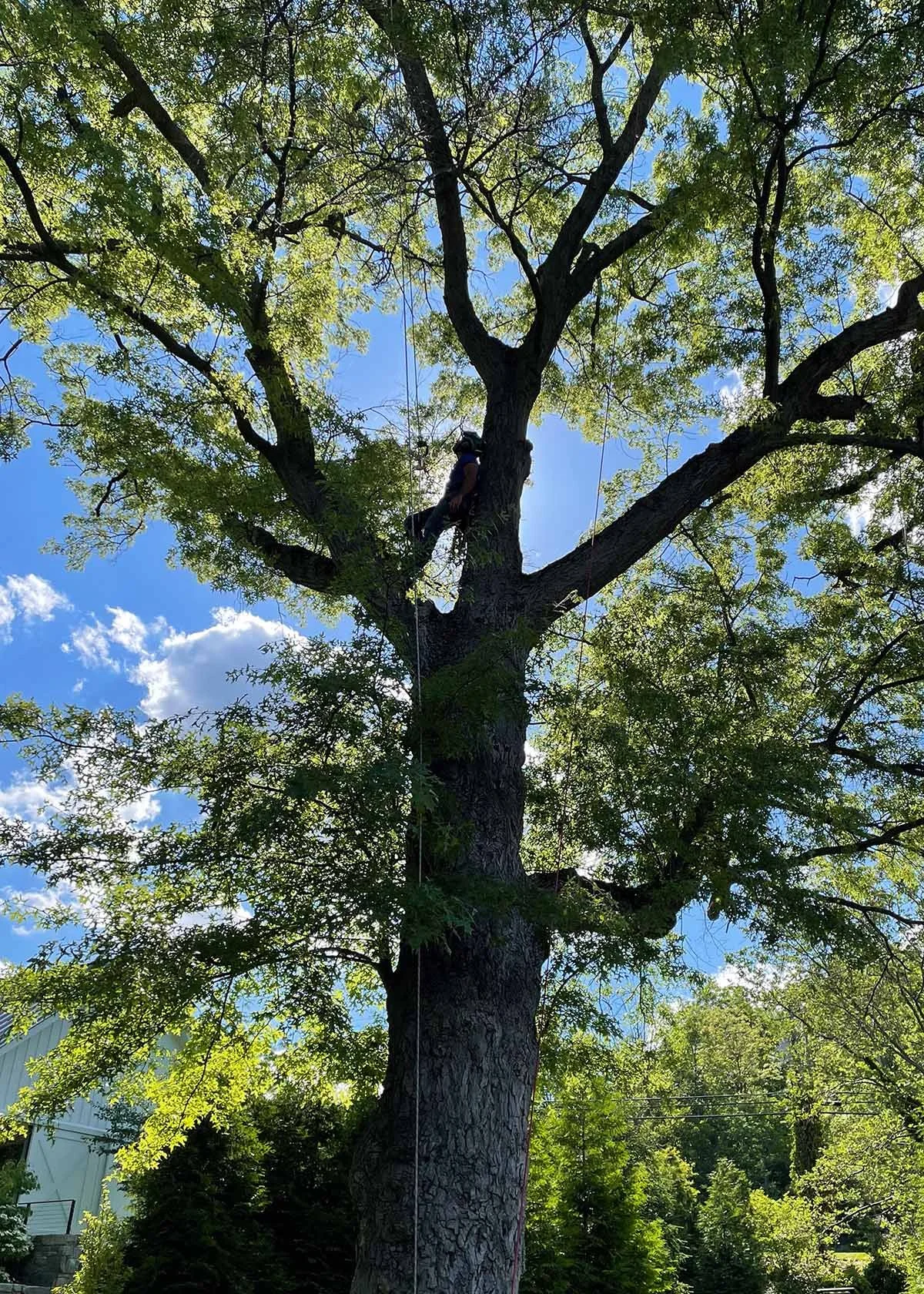
At ArborCare we believe in practicing the best methods of tree care for today and future generations. Oak Wilt can be mitigated through strategic timing – following DEC best practices*, we strictly adhere to:
Completing all non-emergency oak pruning
exclusively between November and February.
These winter months help ensure disease-carrying pests are inactive and the fungal pathogen and oak trees are in a state of dormancy, minimizing the risk of infection.
“We appreciate the patience, understanding, and support from our community of clients who join us by taking these precautions. We’re anxious to help maintain this historic species of tree around our lakes, parks, and yards.”
– Maria, ISA Certified Arborist® and Plant Health Care Director at ArborCare
Is Your Oak Tree at Risk for Oak Wilt?
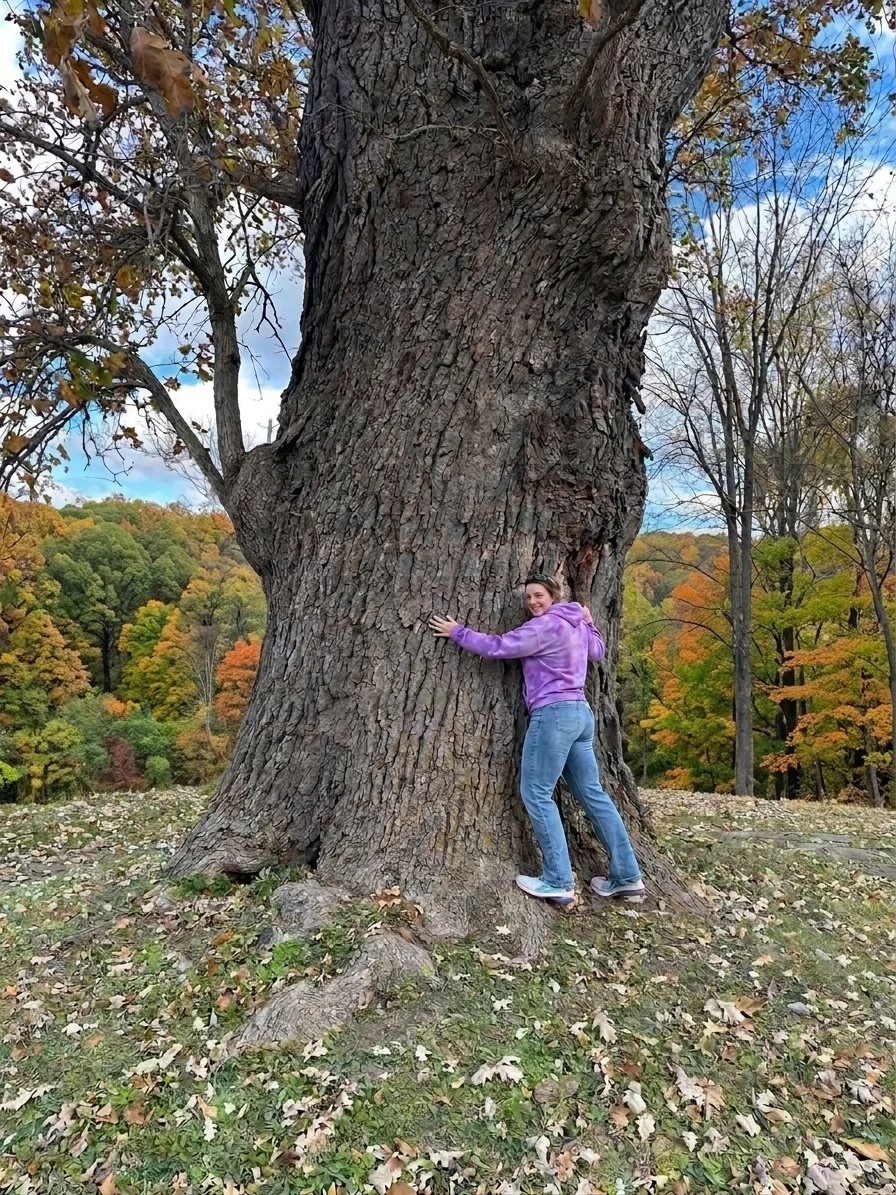
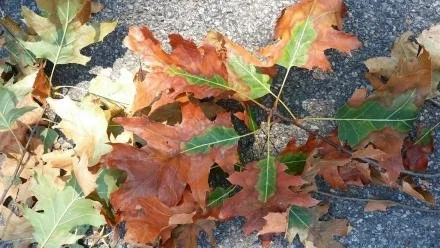
All varietals of Oak are susceptible, though some react differently. Oak Wilt disease spreads more quickly in Red Oak Group (Red Oak, Pin Oak, Black Oak – often identified by their “pointy” leaf lobe tips) due to their more ‘open’ xylem vessels. An infected Red Oak tree may lose half of their leaves and be in severe decline within a couple of weeks. White Oak Group (White Oak, Swamp Oak, and Bur Oaks) will show a slower decline, possibly over several years, likely due to their ‘tyloses’ or vessel plugs that help encapsulate/slow the fungus. In all cases, the disease is typical fatal.
"When evaluating property health in neighborhoods like Pittsford and Brighton, where heritage Oaks are prolific, we look beyond the single tree. We monitor the entire local canopy to stay ahead of quarantine developments. Protecting the natural beauty of our Rochester communities isn't just our job—it's one of our founding tenets." — Marty Avila, ISA BCMA, CEO & Sales Arborist at ArborCare
Should we preventatively remove oak trees?
No. Both ArborCare and the NYS DEC advise against removing healthy Oaks solely out of fear of Oak Wilt.
However, tree removal may be necessary for other safety reasons, such as storm damage, structural decay, or property renovation. Our team is Tree Risk Assessment Qualified (TRAQ), meaning we provide science-based recommendations rather than guesswork.
What are common symptoms of Oak Wilt?
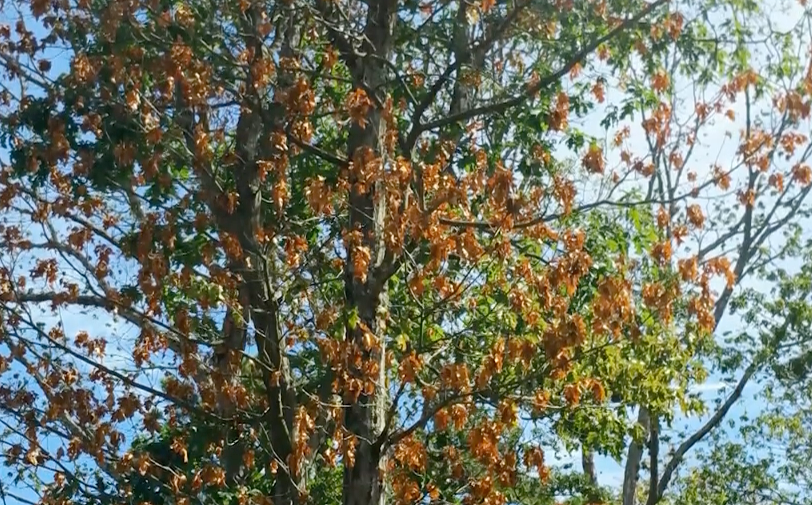
Sudden Wilting: Leaves browning and falling in early July through August (often while still partially green). Premature defoliation is a good indicator the tree has an issue.
Marginal Scorching: Browning starts at the outer leaf edges and moves inward toward the mid-vein.
Top-Down Dieback: Branch loss typically begins at the very top of the canopy and progresses downward.
Is there a preventative?
Currently there is no cure or preventative treatment. The DEC and Cornell Plant Disease Diagnostic Clinic are continuing research on possible solutions.
During a site visit/assessment for Oak Wilt our ISA Certified Arborists will:
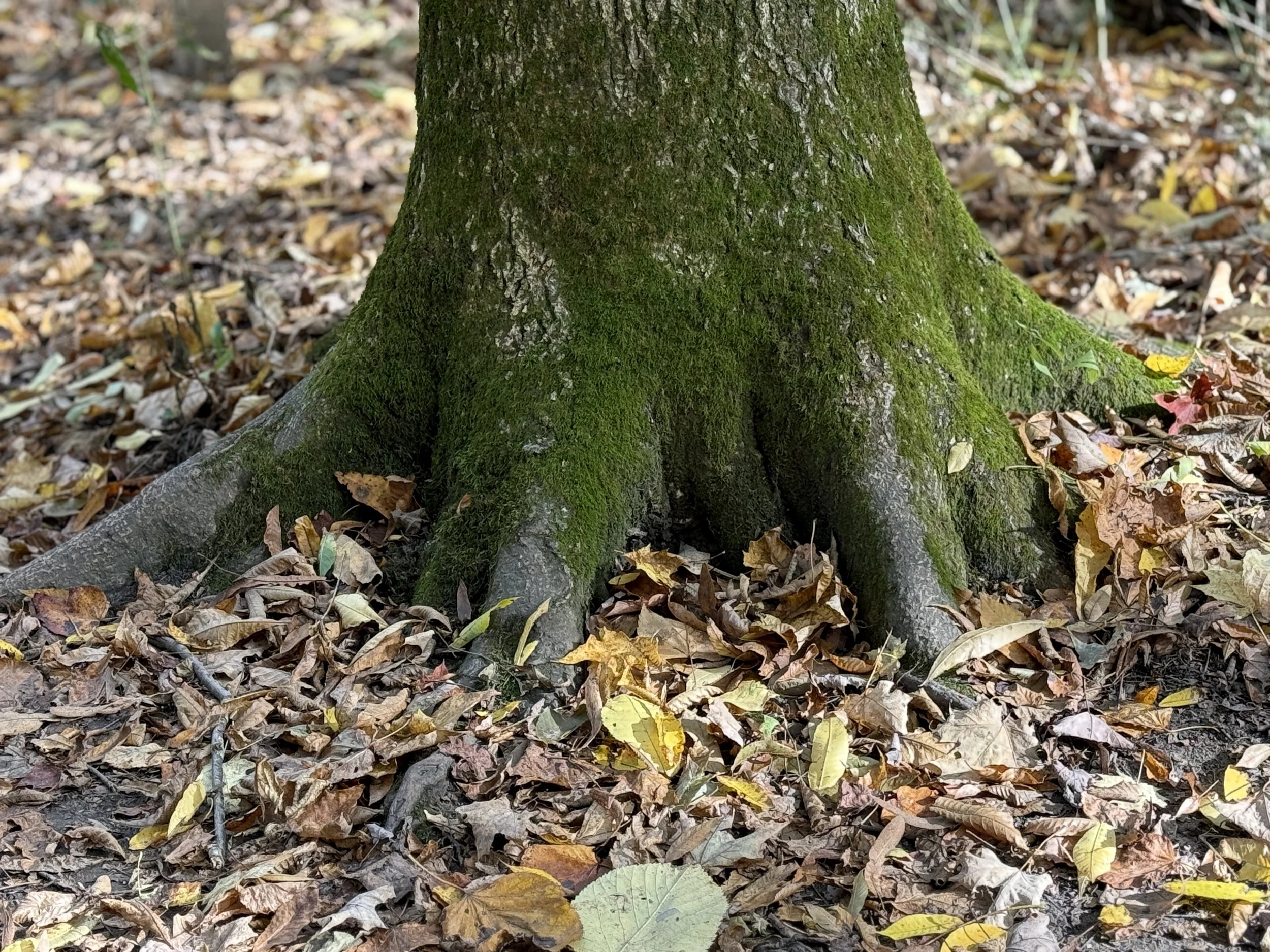
Identify the tree species, determining Oak Wilt susceptibility based on leaf shape, bark, and other markers.
Perform a base & root flare inspection checking for "early leaf drop”, the most distinctive sign of Oak Wilt, ruling out other issues like root decay.
Search for fungal spore mats beneath the bark of deceased trees.
If Oak Wilt is suspected, they may check for identifying dark, tell-tale streaking in the sapwood layers (under bark).
*Current NYS DEC Regulations for Oak pruning:
Oak logs, branches, woody debris, and ANY firewood under 29” long (no matter the oak species) cannot be transported outside of the quarantine areas without a special permit obtained from the DEC.
Oak pruning cannot be completed until the DEC approved window (when temperatures are consistently under 40F): the months of Nov–Feb.

Plant Health Care: Supporting Roots to Canopy in Trees & Shrubs
Enhance the long-term beauty and value of your property with our proactive, science-backed Plant Health Care (PHC) solutions. Designed to support your landscape’s vitality year-round, our comprehensive programs focus on preventative wellness rather than temporary solutions for trees and woody shrubs.
Our expert team of ISA Certified Arborists® and NYS Certified Applicators and Technicians specialize in precise tree and landscape diagnostics and customized treatment plans. By prioritizing soil nutrition, early disease detection, and targeted interventions, we foster sustainable plant health utilizing environmentally conscious treatments that deliver lasting results.
Why choose ArborCare for your tree care needs?
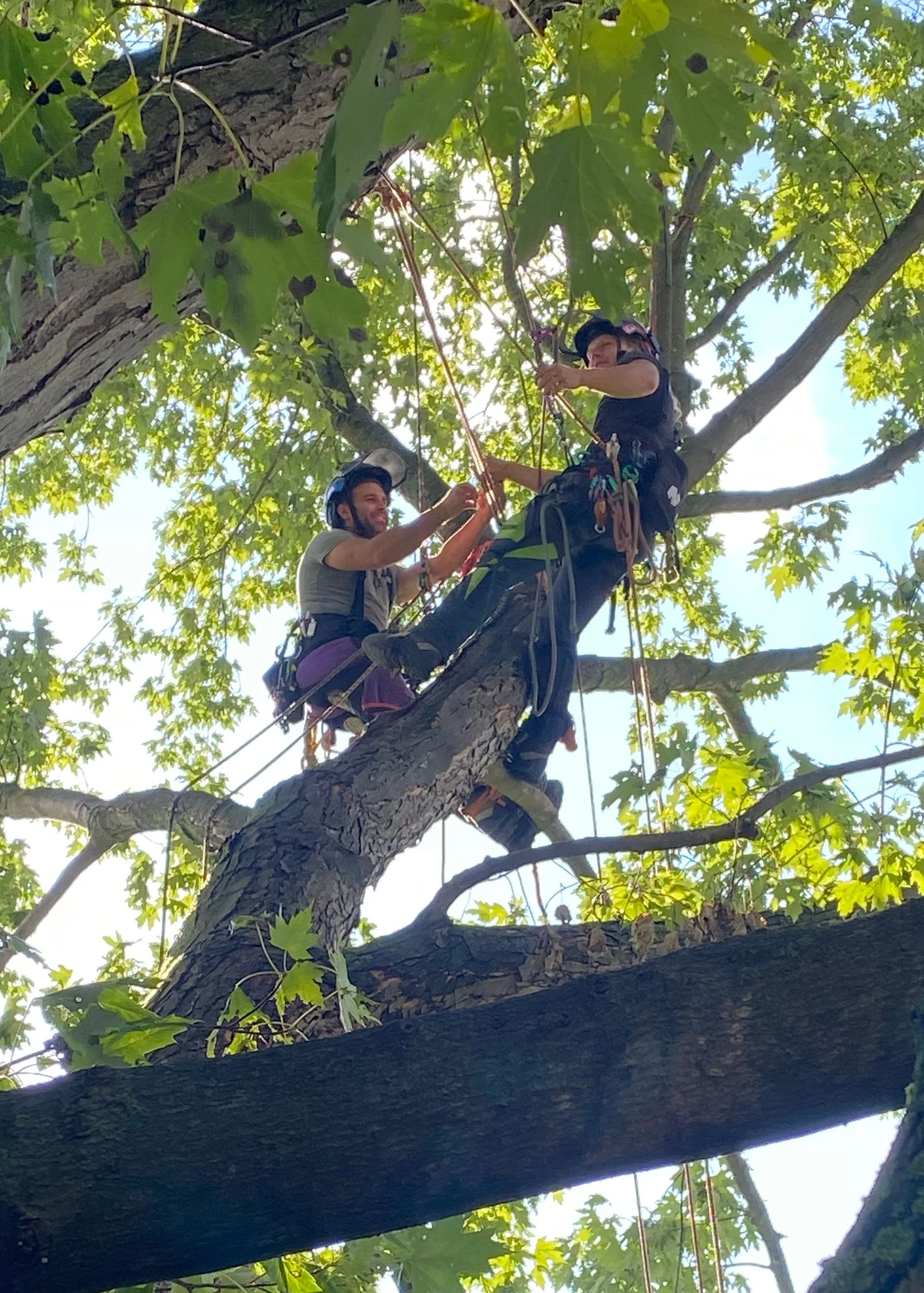
At ArborCare Tree Management we are committed to the health of trees in Canandaigua, Victor, Pittsford, the Finger Lakes, Rochester suburbs, and surrounding local communities. Our ISA Certified Arborists® and Plant Health Care professionals assess and monitor all trees we service and those we enjoy in local forests and parks, helping to keep tabs on Oak trees in collaboration with the DEC.
We practice Excellence in Tree Care. Your trees and landscape are important to our crew of trained and Certified Arborists® and tree workers. We combine our passion for sustainable tree and plant health care with expertise, leading industry practices - safety is #1 - and teamwork. We bring our commitment to the highest quality of care to you and your property, every day, no matter the season.
We understand the unique challenges of tree care in Western New York and deliver solutions that work. Whether you’re looking for advice on tree health or landscape care, we’re here to provide the knowledge and services you need: disease mitigation, structural & safety pruning, cabling & bracing, full removals, PHC, and more. Reach out today to connect directly with our ISA Board Certified Master Arborist®, Marty Avila and ISA Certified Arborist ®, Maria Olmsted.

Need assistance?
Contact our team of professional Arborists to get additional information and request a quote: