
Roots to Crown: Tree Health in the Finger Lakes
Maple Tar Spot & Leaf Scorch


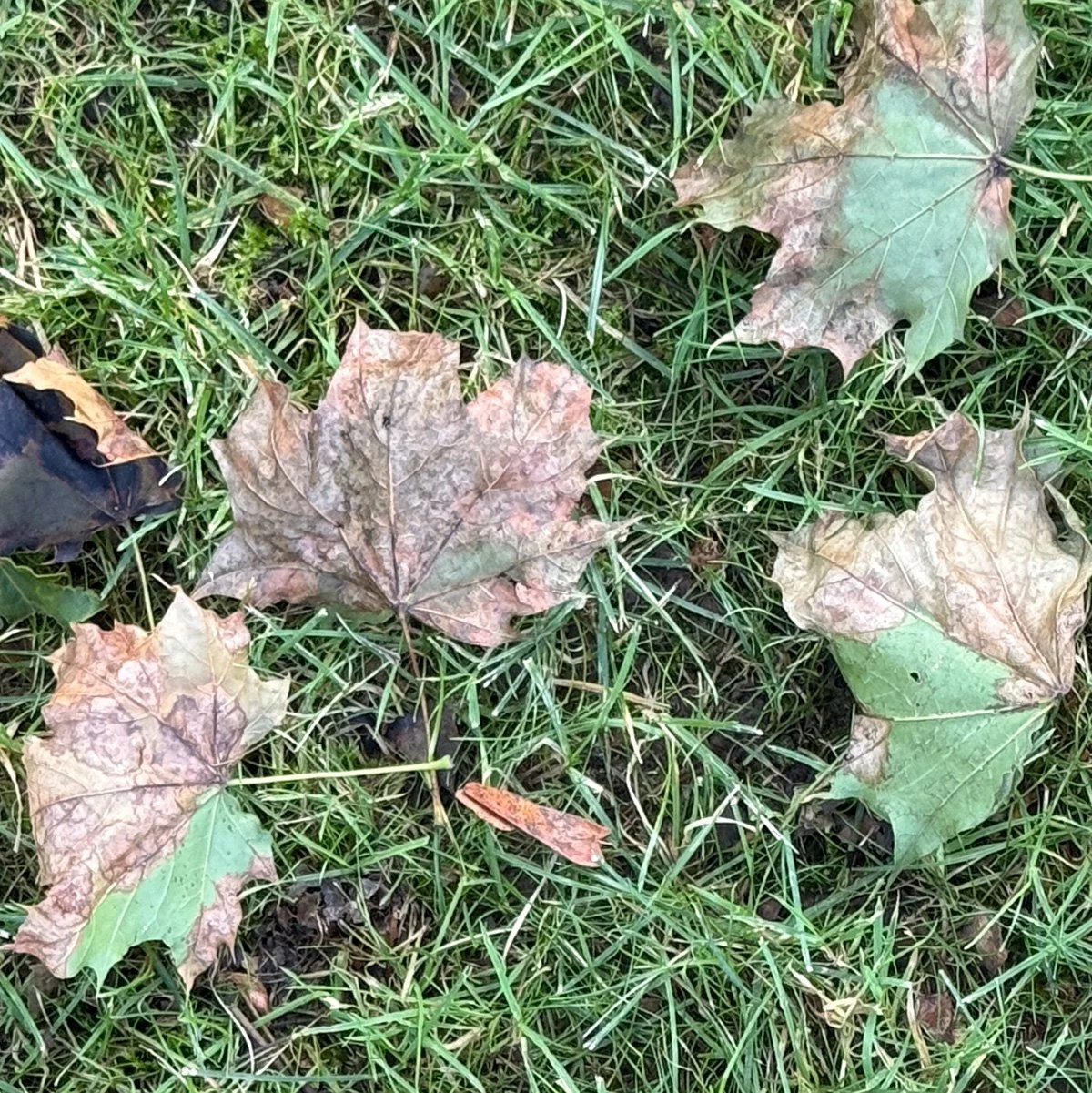
Maple trees throughout the Finger Lakes, Rochester, Pittsford, Brighton, Fairport, Henrietta, and Victor are showing significant Tar Spot infection and weather-induced Leaf Scorch, causing brown canopies and leaves to drop months earlier than normal.
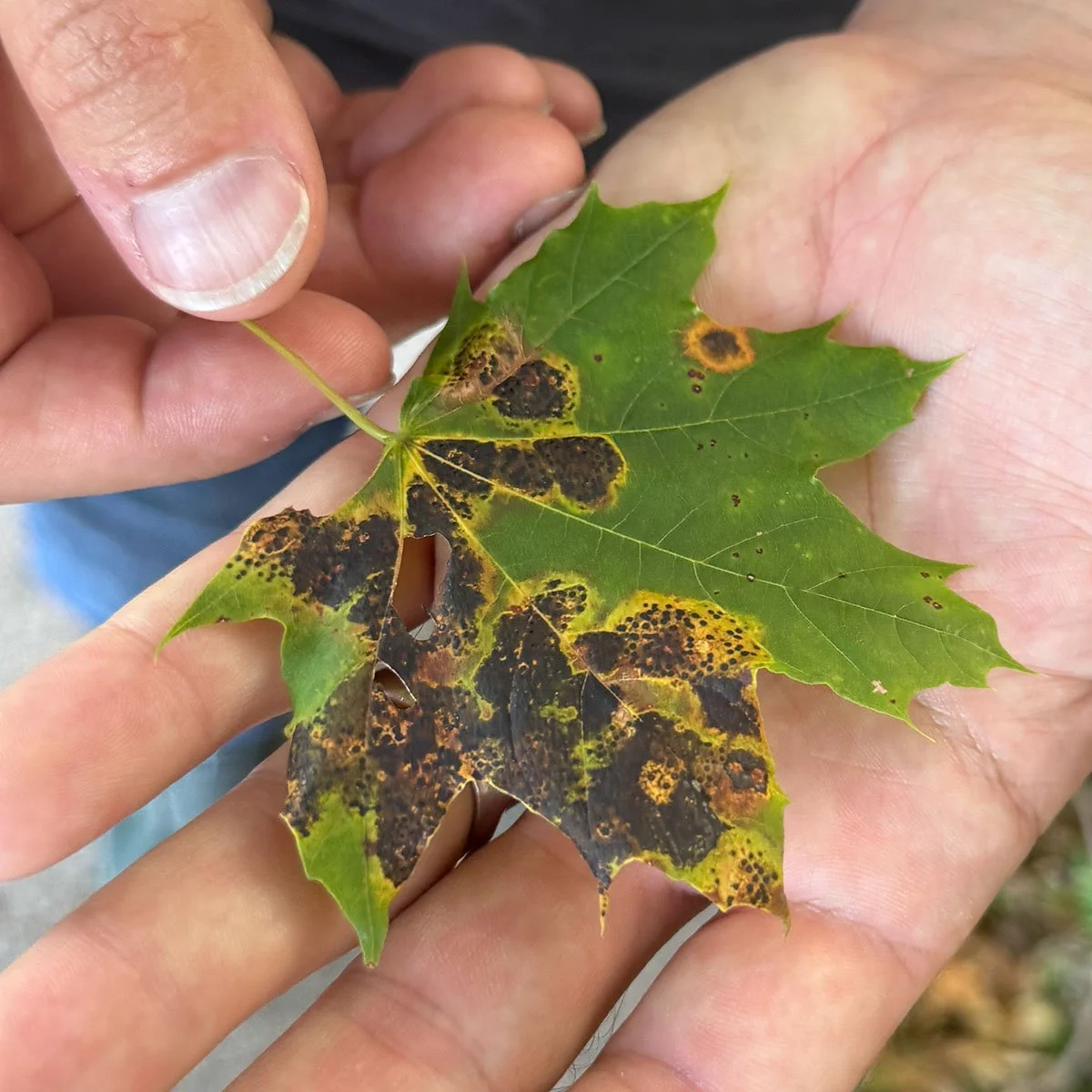
Norway Maples have been particularly affected, showing the characteristic black or dark brown spots associated with Tar Spot, along with browning, curling, and crispy leaves often caused by environmental Leaf Scorch.
Brown Maple Tree Canopies and Early Leaf Drop:
Should you be concerned?
Tar Spot is a common fungal disease that causes the familiar black or dark brown spots on Maple leaves and is generally only a cosmetic issue in mature, healthy trees. Environmental Leaf Scorch – browning, curling, or crispy leaves – occurs when hot, dry weather cause water to evaporate from leaves faster than the tree can replace it. Together, these conditions can cause brown canopies. When leaves are severely compromised, the tree may determine that producing new foliage is more efficient than investing resources in damaged leaves, resulting in rapid leaf drop.
The good news: a single season of significant defoliation is generally not detrimental to an otherwise healthy tree. Repeated stress or defoliation over multiple seasons, however, may warrant closer attention to the tree’s overall health and growing conditions.
What can you do?
Tar Spot: proper pruning can improve air circulation and sunlight penetration throughout the canopy creating a less welcoming environment for the fungus to grow. Consistently removing fallen leaves from the area surrounding your trees helps reduce infected material that can overwinter in infected leaf material.
Weather-related Leaf Scorch: the extreme temperatures and limited rainfall experienced for several weeks earlier this summer created ideal conditions for environmental Leaf Scorch throughout the Rochester & Finger Lakes regions. Add Tar Spot which further ‘chokes’ the leaves, creating a prime environment for scorch. These conditions can be even more pronounced for trees growing near pavement, driveways, parking areas, buildings, or rooftops, where reflected and retained heat can increase moisture loss. Supplemental water can be beneficial when practical.
For stressed trees, ArborCare also recommends CompostTea™, our premium liquid soil amendment brewed in small batches by our Arborists. CompostTea™ introduces beneficial microorganisms, nutrients, and other compounds to support soil health, tree recovery, and long-term vigor.
From fungal, foliar, and pest treatments,
to lake-safe liquid solid amendment, read more on our Plant Health Care (PHC) services below:

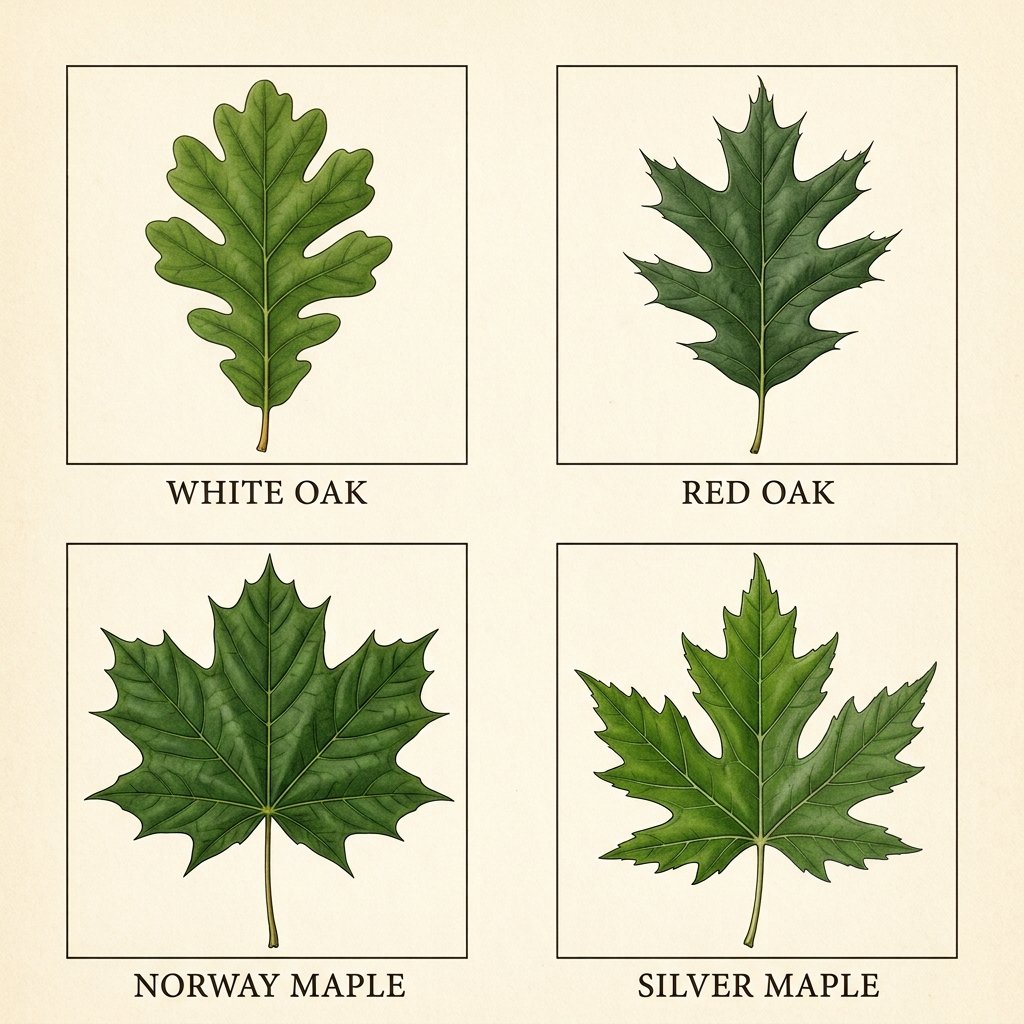
Common oak leaf shapes (top) versus
common maple leaf shapes (bottom).
Long-Term Tree Health
Your trees and shrubs are living investments adding vitality and beauty around your home. Our Plant Health Care (PHC) program provides proactive, science-driven care to keep them strong, vibrant, and resilient in every season.
Our team of PHC specialists, ISA Certified Arborists, and NYS Certified Applicators & Technicians deliver expert diagnostics, tailored treatments, and long-term health plans that go beyond quick fixes. We’re dedicated to improving the health of trees and landscaping to allow successful use of treatments which are less aggressive and more natural.

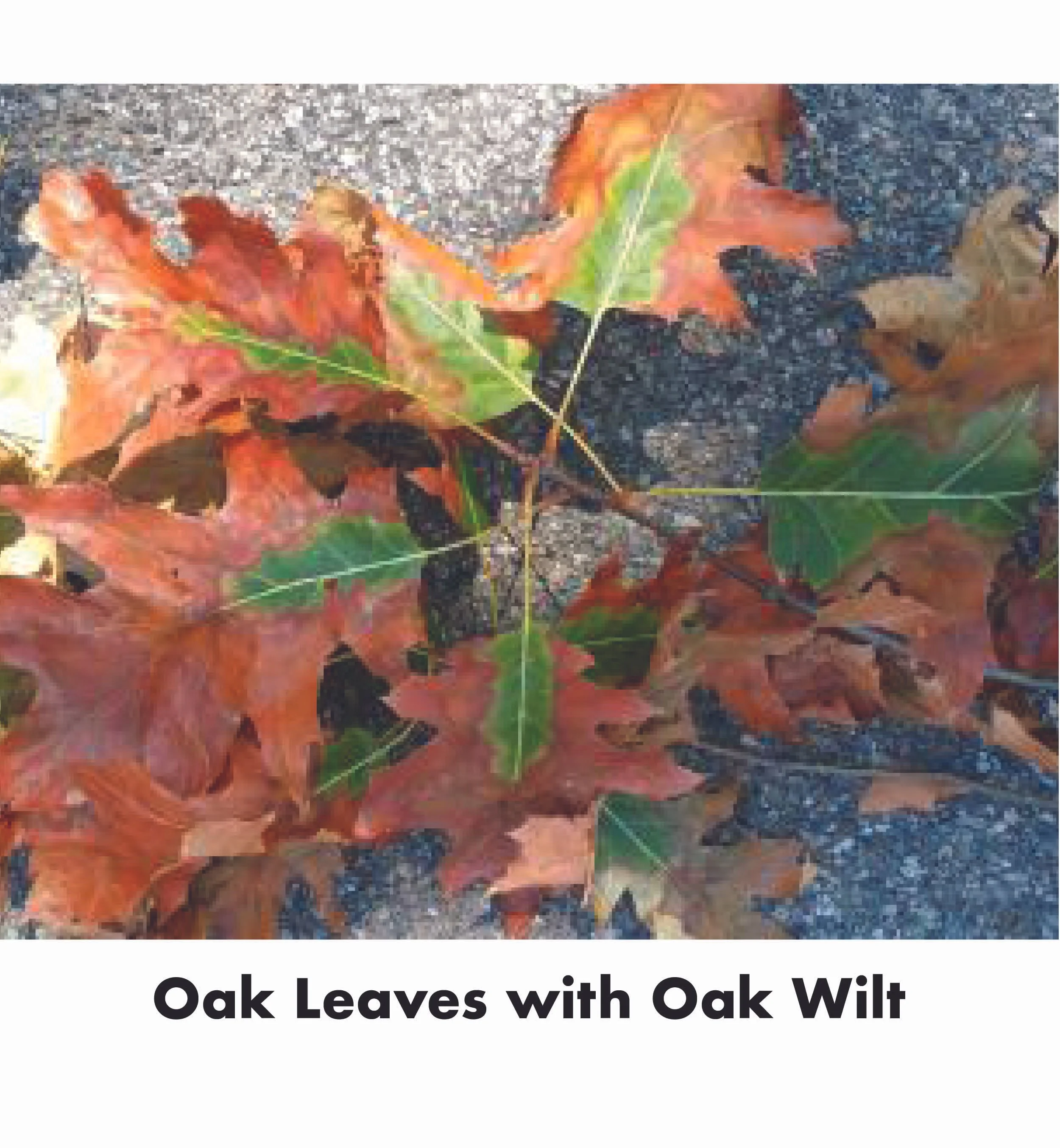
Curious - or concerned - about Oak Wilt?
Learn more about this threatening fungus.
Fungal & Foliar Disease Management
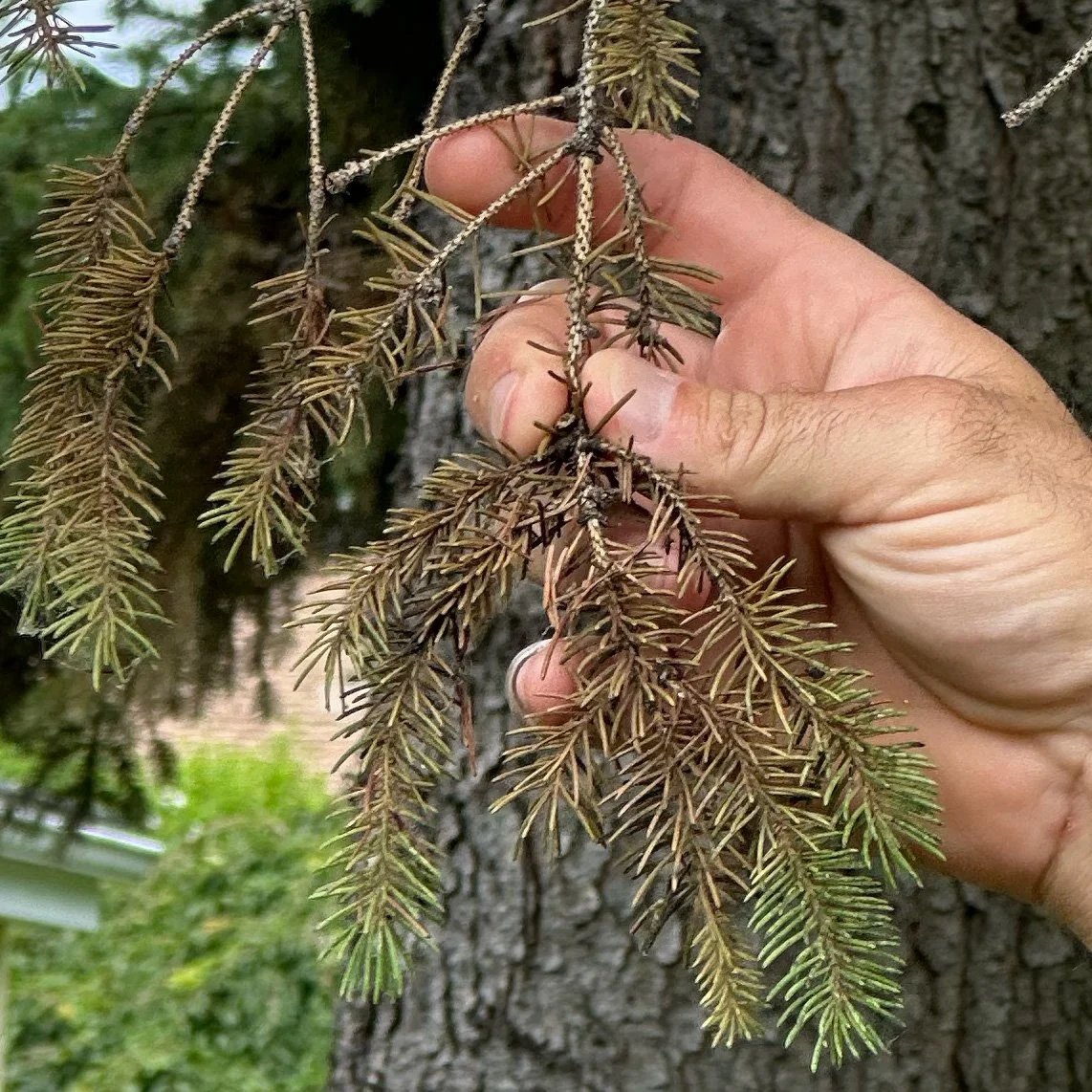
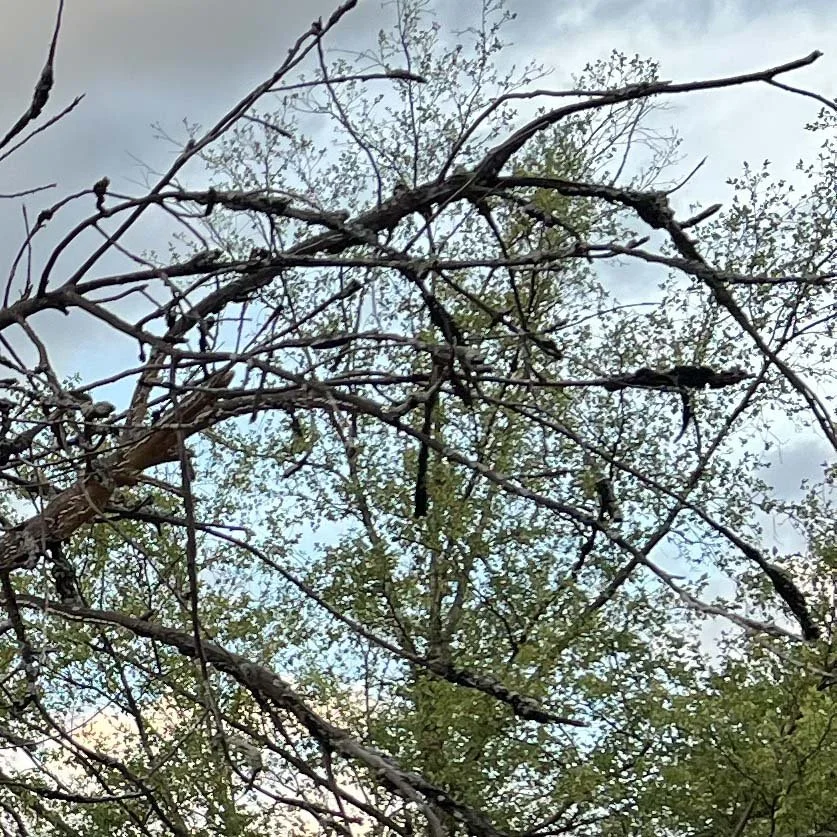
The tree’s canopy will often show health issues with wilting or early season browning leaves, powdery white residue coating the leaf surface, the appearance of brown or black spots randomly dotting leaves, and more. These are typical indicators of various fungus or foliar impacts.
We identify and treat fungal and leaf diseases like apple scab, anthracnose, needle cast, powdery mildew, tar spot, black knot, and leaf spot and more. Some are simply unsightly and mostly harmless; others are detrimental, requiring treatment intervention for ensured long-term tree health. Our targeted applications can break the disease cycle and protect tender new growth.
Click below to learn what fungus and foliar issues we commonly encounter throughout Canandaigua, Pittsford, Brighton, Perinton, Webster, Victor, Farmington, and south into Penn Yan and Seneca Falls:
Targeted Pest Control
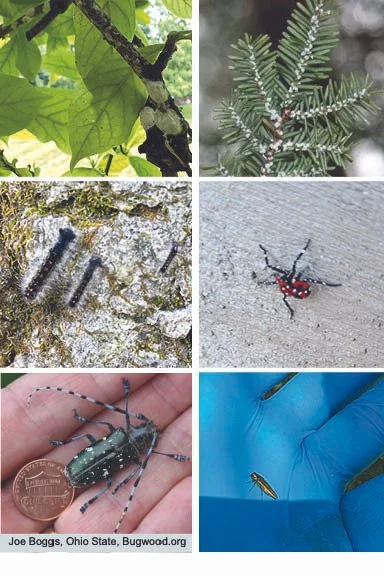

Invasive and non-native pests can devastate trees if left untreated. Our PHC program includes preventative monitoring, treatments, and maintenance all with a reduced environmental impact.
Our team of PHC specialists and ISA Certified® Arborists are highly educated in the identification, impacts, and possible treatments for a wide variety of pests (insects, beetles, caterpillars, mites, bugs) that compromise trees in our local Finger Lakes and Rochester neighborhoods.
Hemlock Woolly Adelgid (HWA)
Magnolia Scale (other Soft & Hard Scales)
Spotted Lanternfly (SLF)
Emerald Ash Borer (EAB)
Spongy Moth (formerly “Gypsy” Moth)
Aphids
And more!
Stop Tree & Shrub Damage Before it Spreads
General Plant Health Care
-
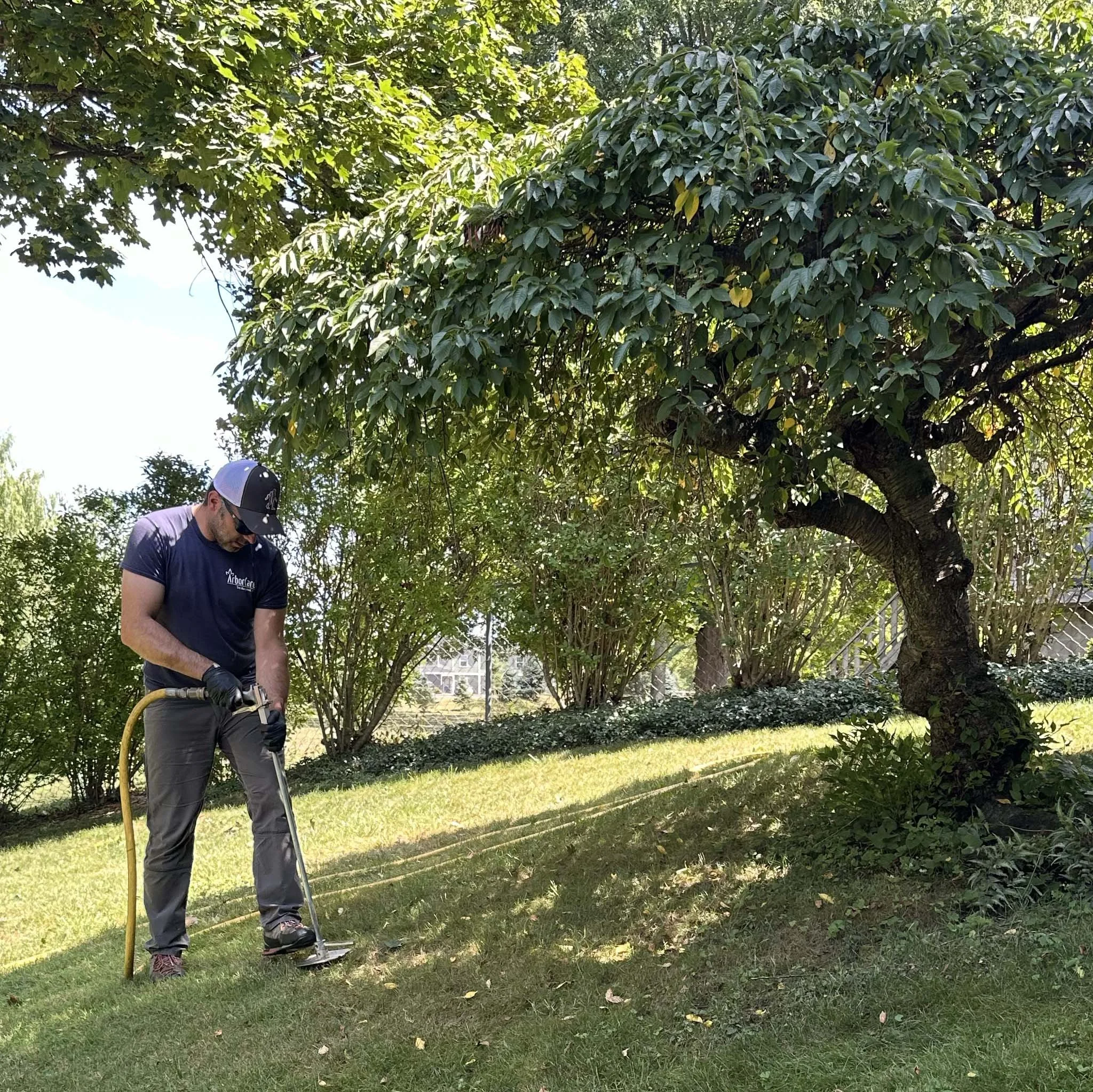
Lake-safe Soil Amendments
Healthy soil equals healthy trees. We restore depleted soils and improve root-zone conditions through targeted amendments, ensuring your landscape has the necessary nutrients in bio-available forms that it needs to allow trees and shrubs to thrive.
Click below to learn more about our regionally specific Compost Tea™ and deep root care. Safe for people, pets, lakes, and streams.
-
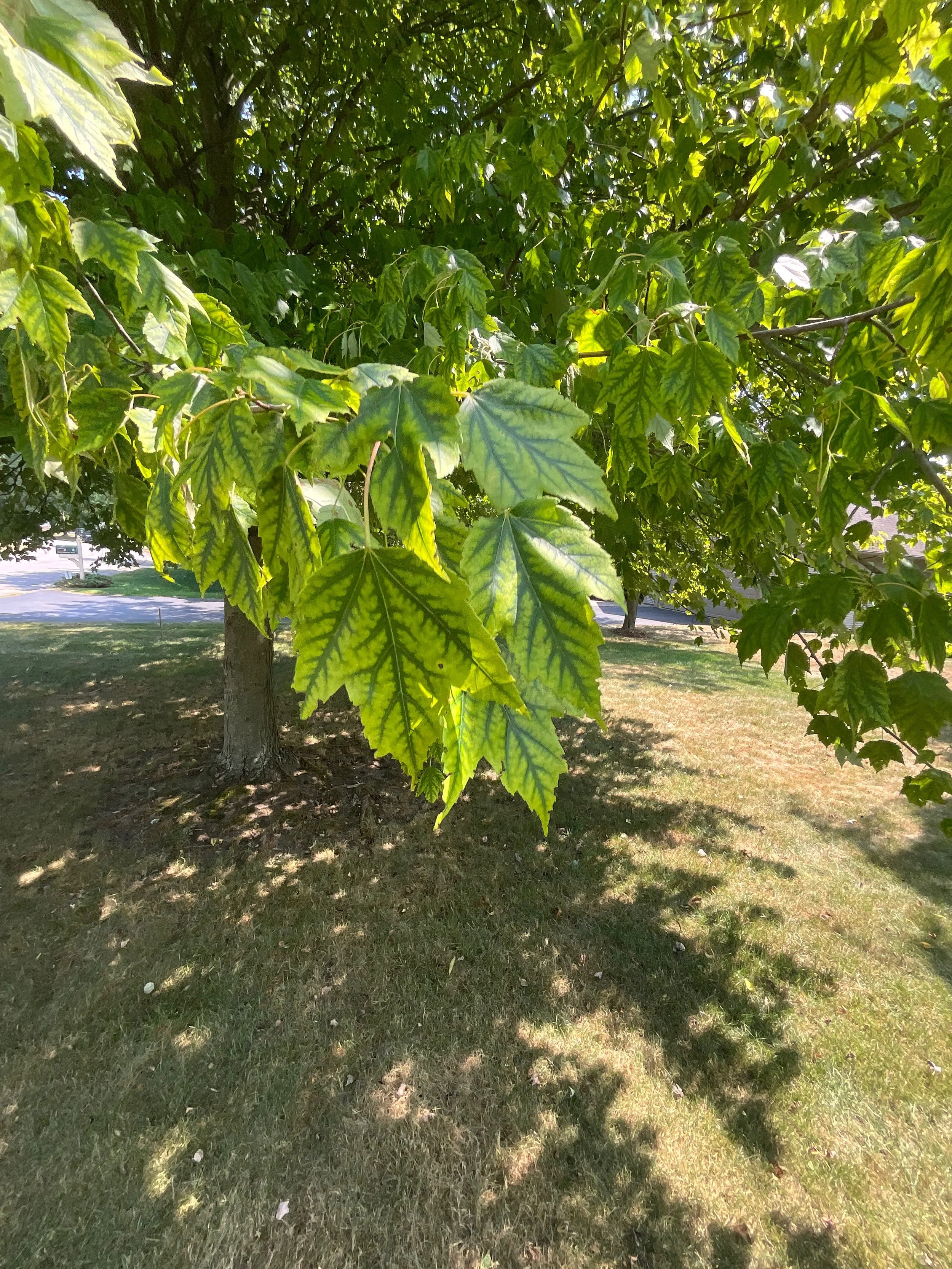
Soil Imbalance
Pale, yellowing, or faded leaves? Often this is Chlorosis, a condition caused by nutrient deficiencies, nutrient absorption issues, imbalanced soil pH or soil compaction. Chlorosis robs leaves of their green pigment and reduces a tree’s energy production. We carefully assess the tree and its surroundings to determine the likely causes of chlorosis, using targeted nutrient injections or soil amendments to help the tree restore its health..
-
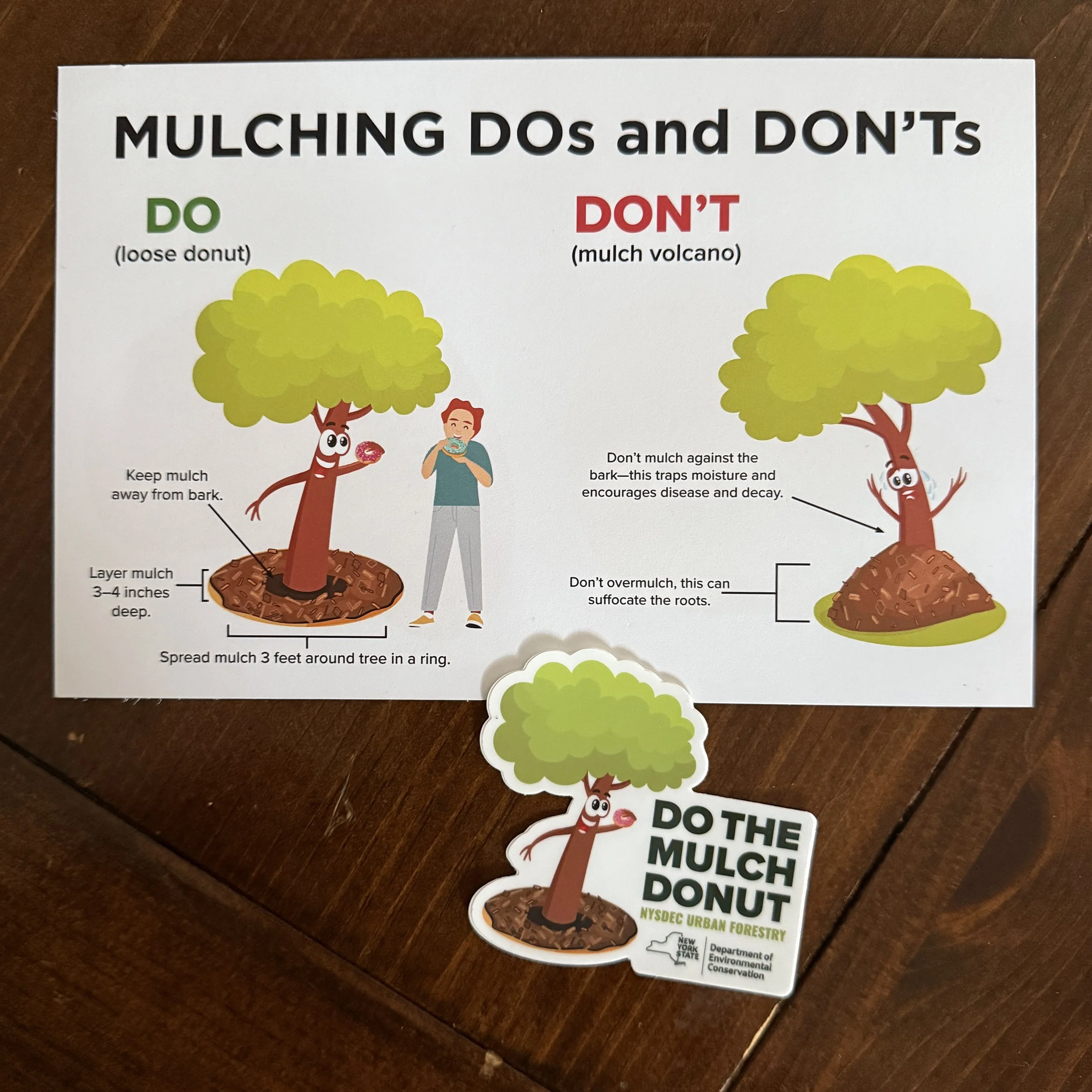
Mulch Ring Install/Refresh
We refresh mulch rings or install new ones to conserve moisture, regulate soil temperature, and improve aesthetics with attention to the correct mulch depth and shape (think donut not volcano!) to avoid trunk rot and poor root growth.
-
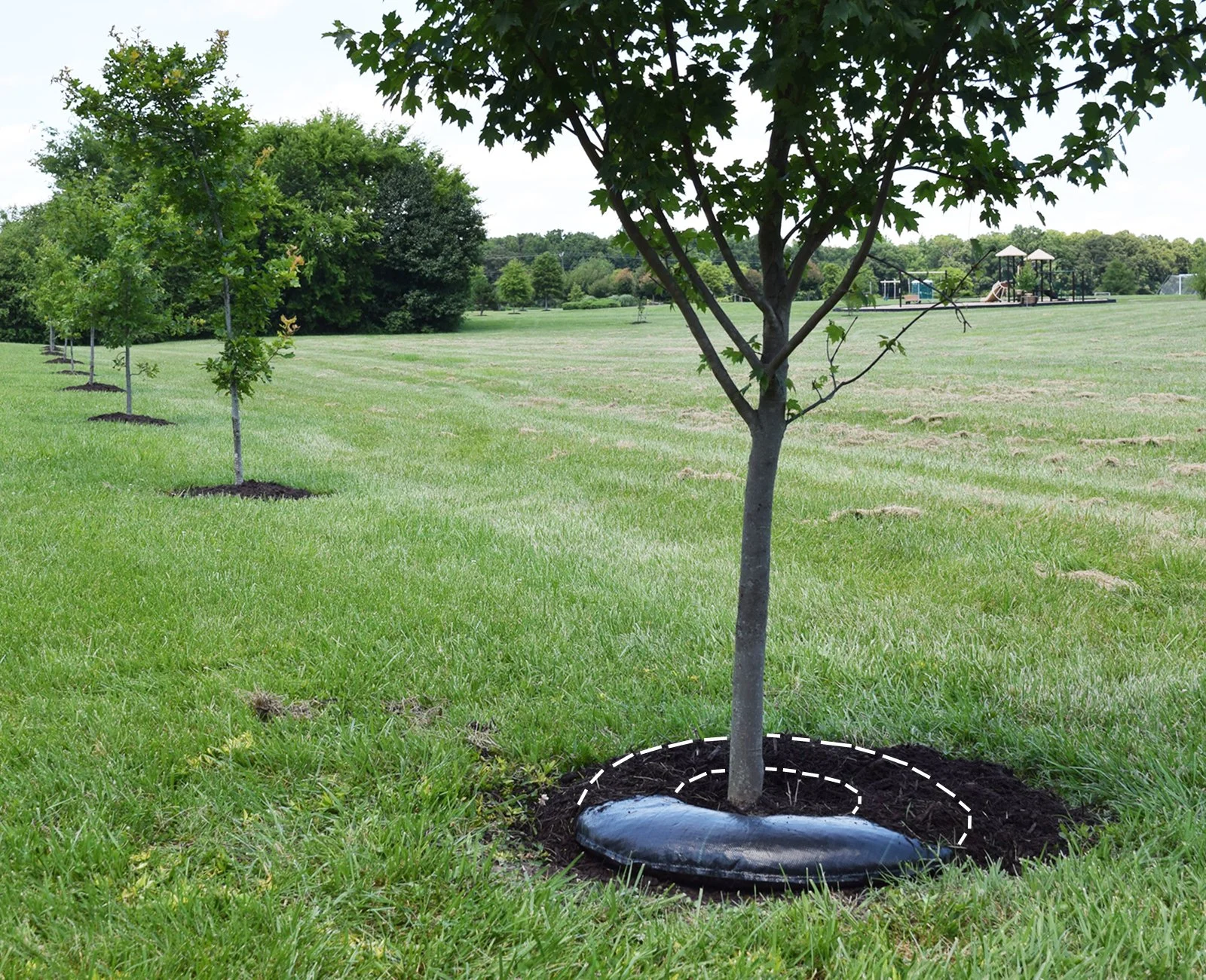
Smart Watering Solutions
Tree Diapers® provide slow, steady water delivery to newly planted or stressed trees, improving establishment and reducing drought stress while conserving water. A newer product in tree care, we’ve found these are superior to traditional tree bladders. Plus they were designed and are made in the USA. (There’s some evidence the Tree Diapers® may help with salt issues our roadside plantings can experience from winter snow treatments along our Upstate NY roadways. More to come on this as it’s studied!)
Boxwood Pest Control in Upstate NY: Box Tree Moth & Boxwood Leafminer
Boxwood bushes (Buxus species) are staples of Western New York, Rochester, and Finger Lakes landscapes. These dense, evergreen shrubs offer clean structures and classic beauty, until invasive pests take over.
Typically densely packed with small, smooth, ovular green leaves and pruned to various shapes (commonly as spires or round balls) if your boxwoods are showing yellowing or browning leaves, white webbing, or blistered foliage, they are likely under attack. Two prolific pests are predictably responsible for the rapid decline of these common shrubs: the Box Tree Moth and the Boxwood Leafminer.
Left untreated, these pests can completely defoliate and kill your boxwoods. Learn how to identify the signs and how our ISA Certified Arborists® can help manage these pests.
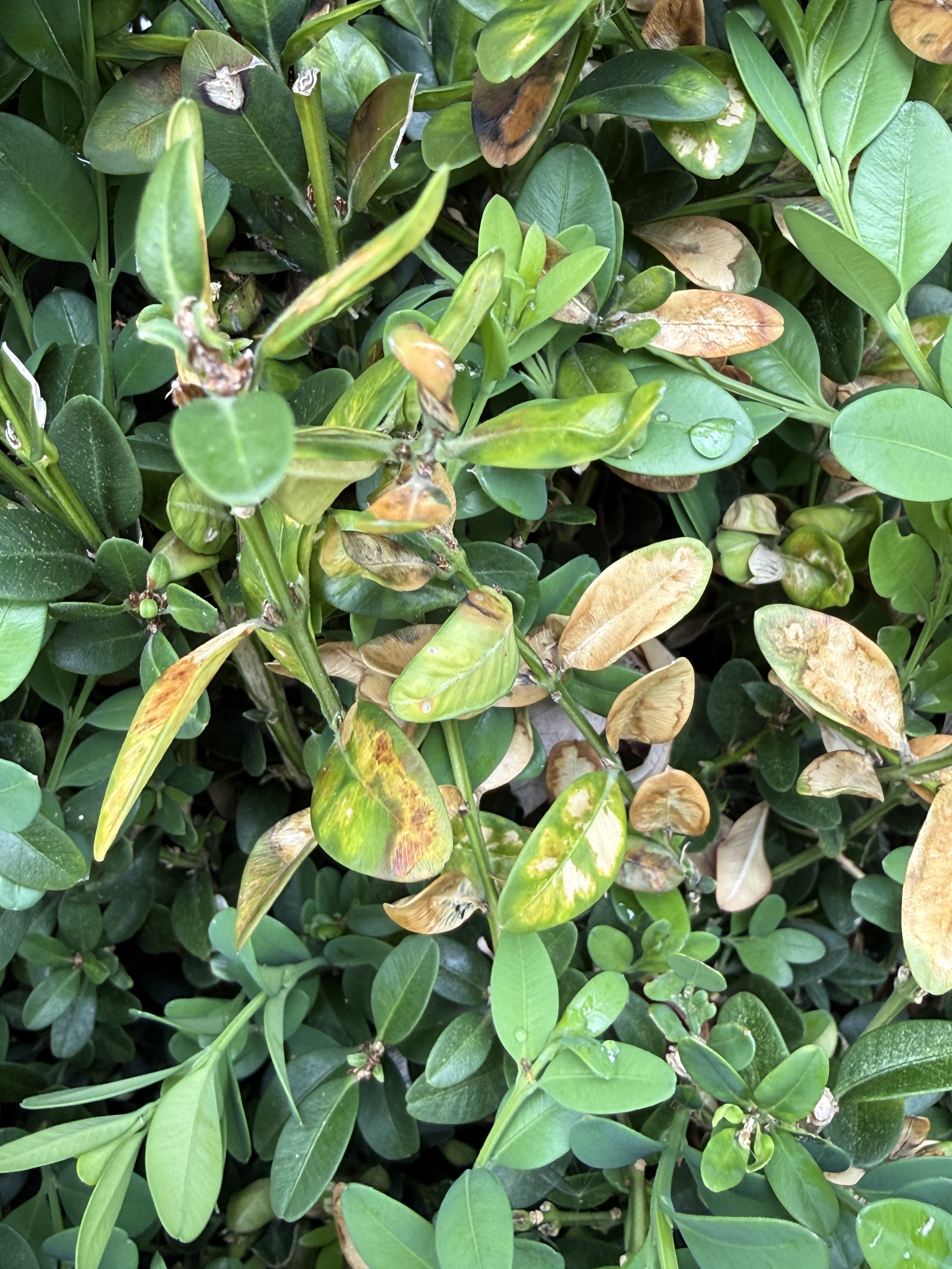

The Boxwood Leafminer (Monarthropalpus flavus)
Boxwood Leafminer is a destructive gall midge. Unlike the moth, the damage caused by this pest happens entirely from the inside out. The larvae overwinter inside the leaf tissue. Once spring temperatures rise, they become highly active, rapidly feeding on the inner green layers of the leaf where they are encased. (Single leaf photo above.)
Quick Indicators of Boxwood Leafminer Damage:
Leaf Blistering: Distinct, swollen, or puckered discolored pockets on the leaf surface.
Translucent Windowpanes: Thin, clear spots visible on the undersides of the leaves where larvae have chewed through inner layers.
Pinprick Emergence Holes: Tiny, distinct holes where adults have chewed their way out of the leaf.
Late Spring Swarming: A cloud of tiny, orange, gnat-like bugs hovering around the outer canopy of your shrubs.
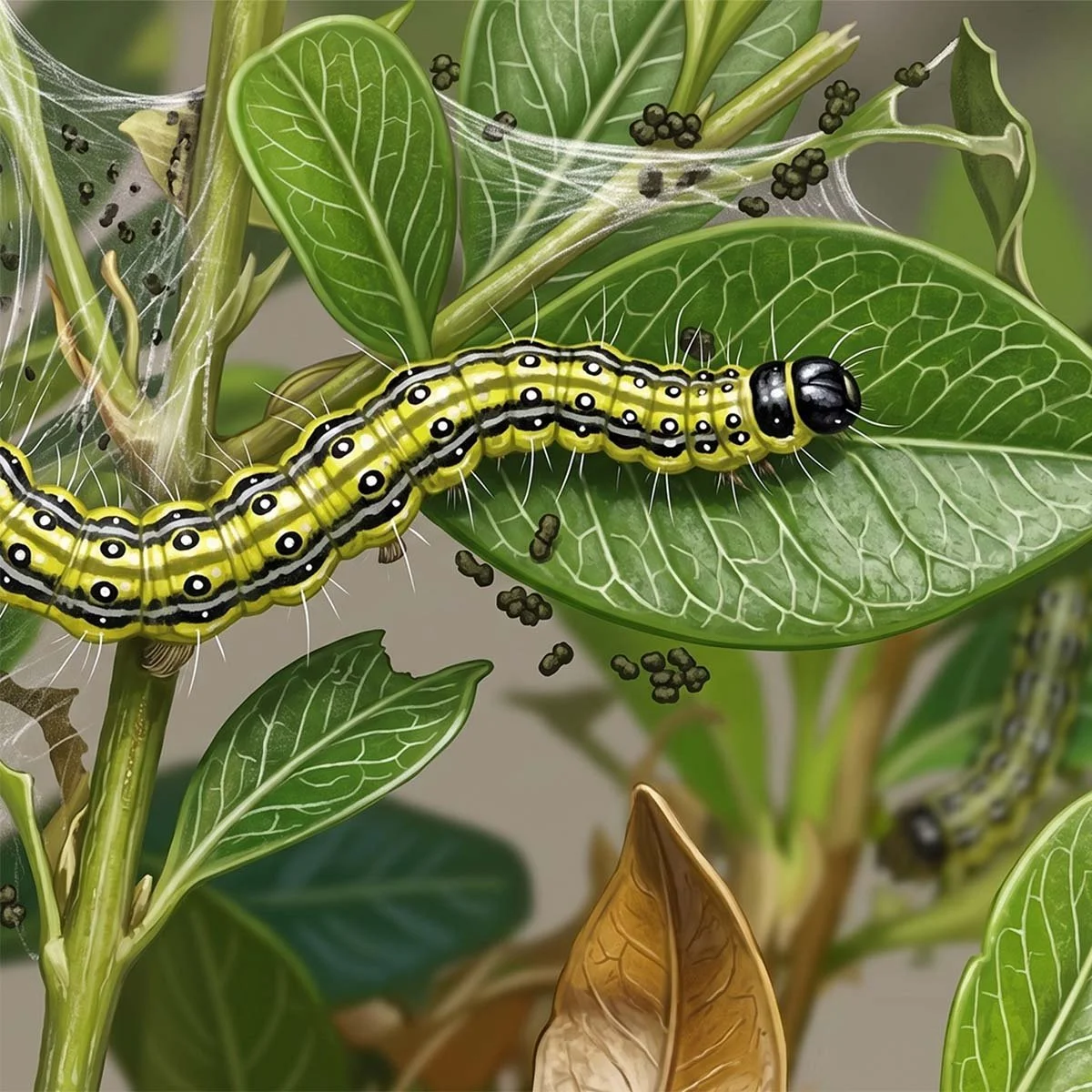
The Boxwood (Box Tree) Moth (Cydalima perspectalis)
Box Tree Moth is an aggressive, invasive pest native to East Asia. First detected in New York State in 2021, its ravenous caterpillars skeletonize boxwood leaves and can defoliate shrubs at an alarming rate. Because it is a relatively new threat to the region, local boxwoods have no natural defense against it. (Caterpillar and webbing example above.)
Quick Indicators of Box Tree Moth Damage:
Skeletonized Leaves: Caterpillars eat away the green tissue, leaving straw-like leaf skeletons.
Silky White Webbing: Dense, spider-like webbing woven deep within the interior foliage.
Frass in the Webbing: Tiny, distinct pellets of green-black caterpillar droppings caught in the white silk.
The Caterpillars: Active, lime-green caterpillars striped with black and dotted with white spots.
Adult Moths: Medium-sized moths featuring striking white wings outlined by a dark-brown margin.
Tools of Treatment
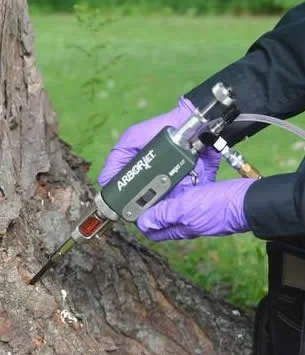
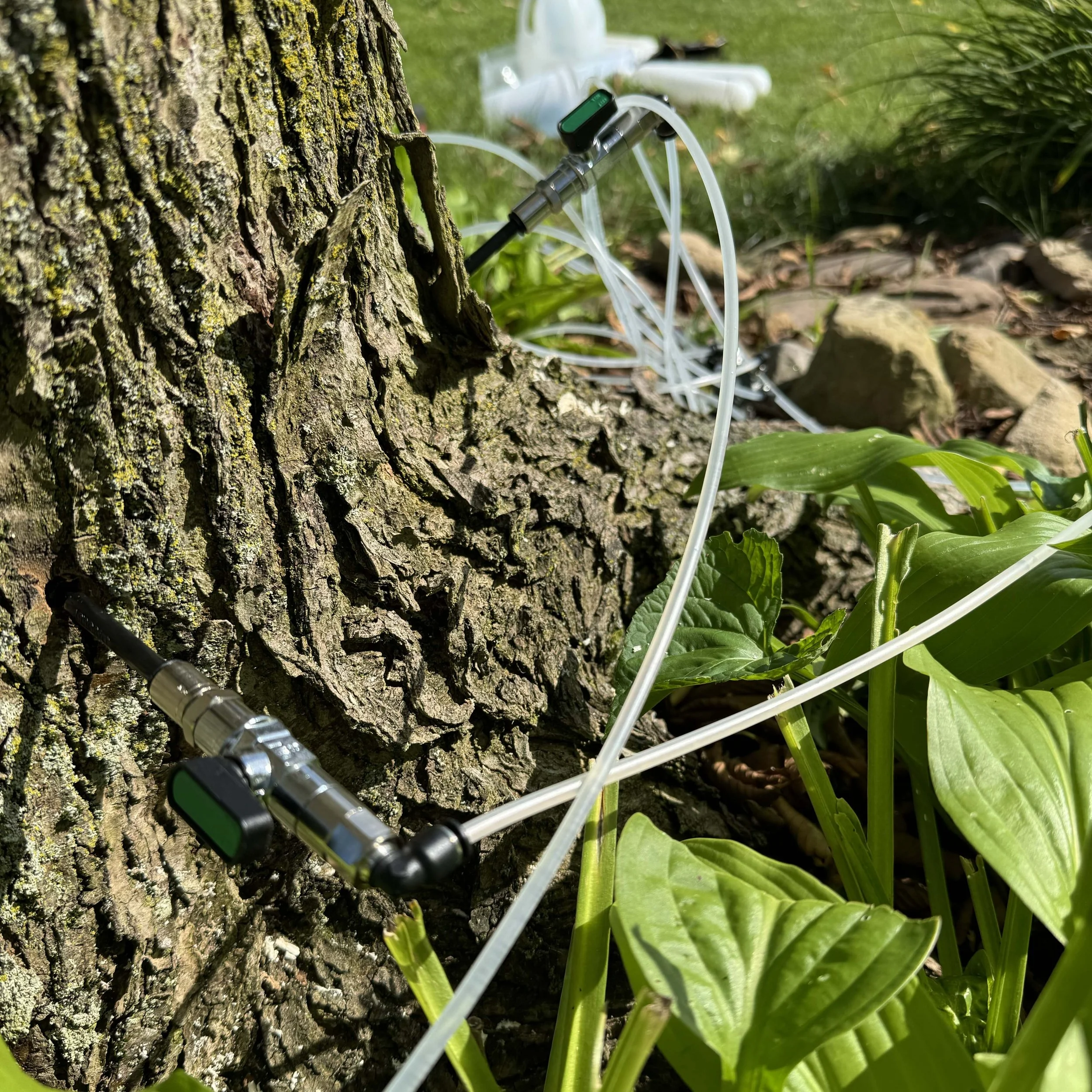
We have specialized tools to apply pressurized injections directly into the tree’s cambium layer, under the bark, for targeted, systemic treatments. Additionally, we utilize some direct-to-bark treatments. This encapsulated targeting prevents larger environmental cross contamination protecting people, pets, and pollinators.
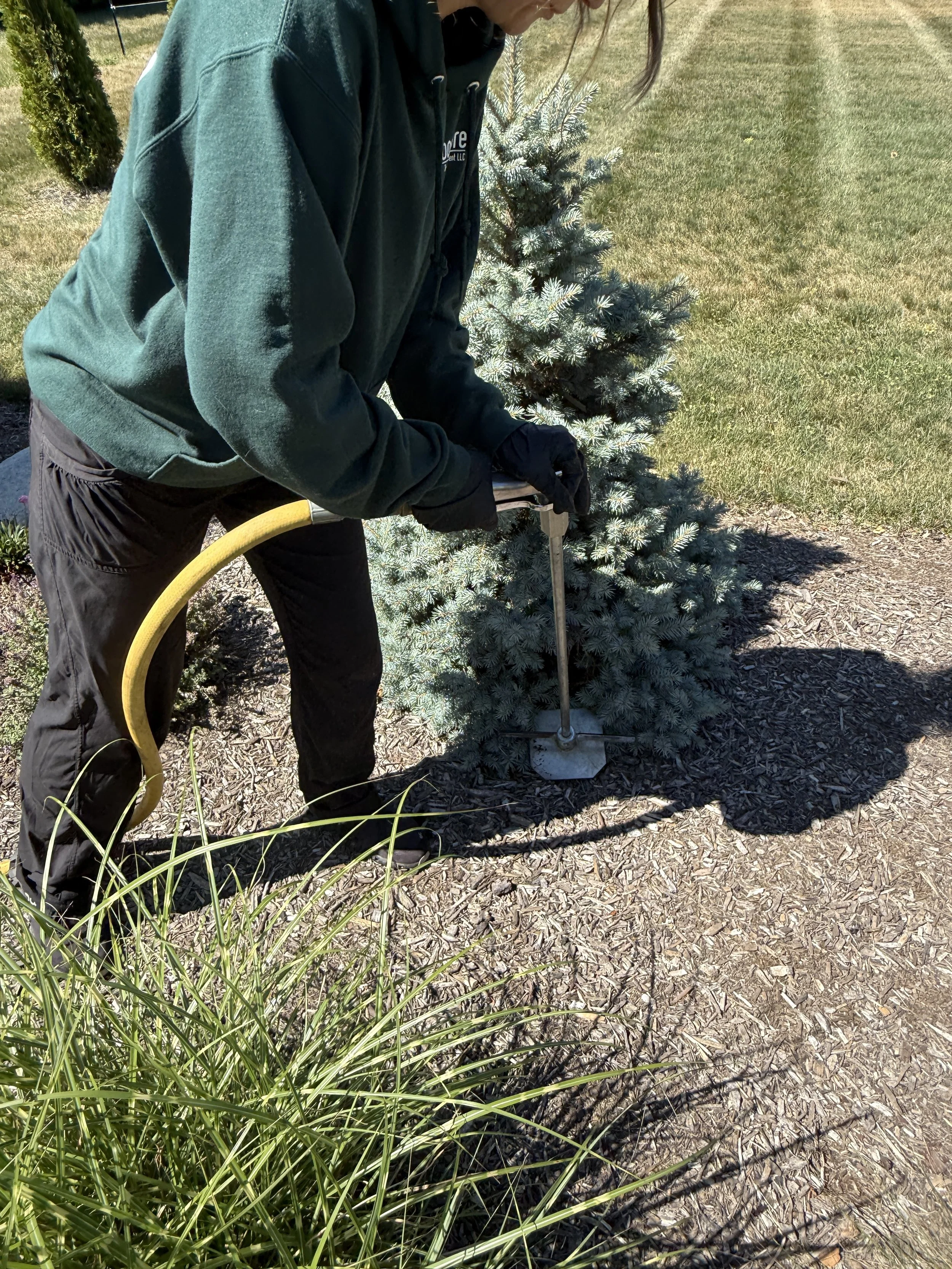
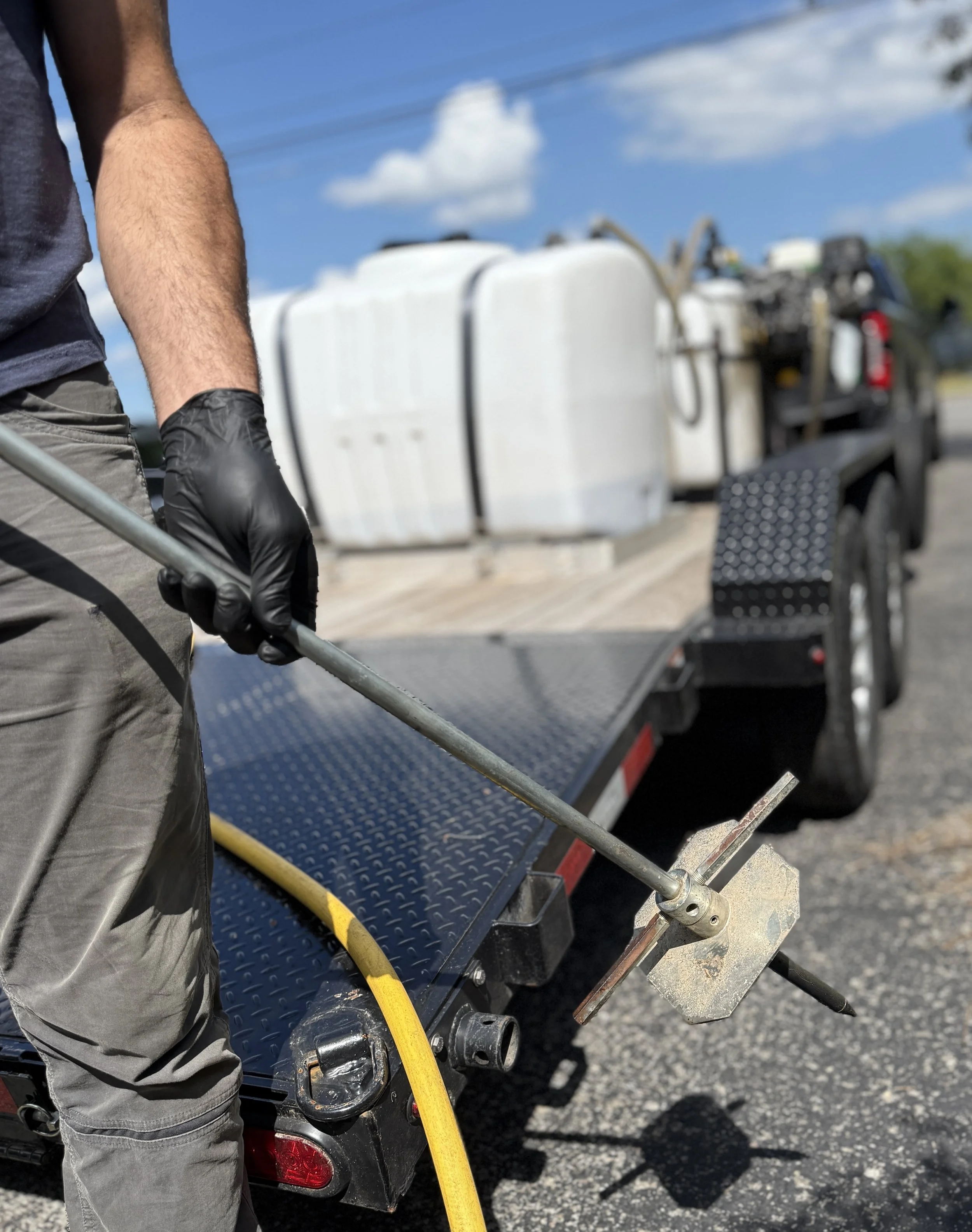
While soil soaks are not uncommon, the typically lawn turf does not extend beyond 6” deep, yet often uptakes most nutrients from soil soaking. Our alternative, soil injections, uses an injection rod with pressurized liquid soil amendment to get treatments, including healthy microbes in Compost Tea™, past the turf, directly to the main root mat for optimized uptake and deep soil health.
Why Choose Us?
ISA Certified® Arborists – Industry-leading expertise and best practices.
NYS Certified Applicators – Safe, effective, and compliant applications.
Custom Tree Care Plans – Tailored to your property, soil type, and regional conditions.
Connect with our PHC team today:
Contact our team of professional Arborists to get additional information and request a quote: