
Winter Tree Care in the Finger Lakes & Rochester Region:
Maintaining Your Trees and Landscape through Winter
Roots to Crown, Winter Tree Care Matters
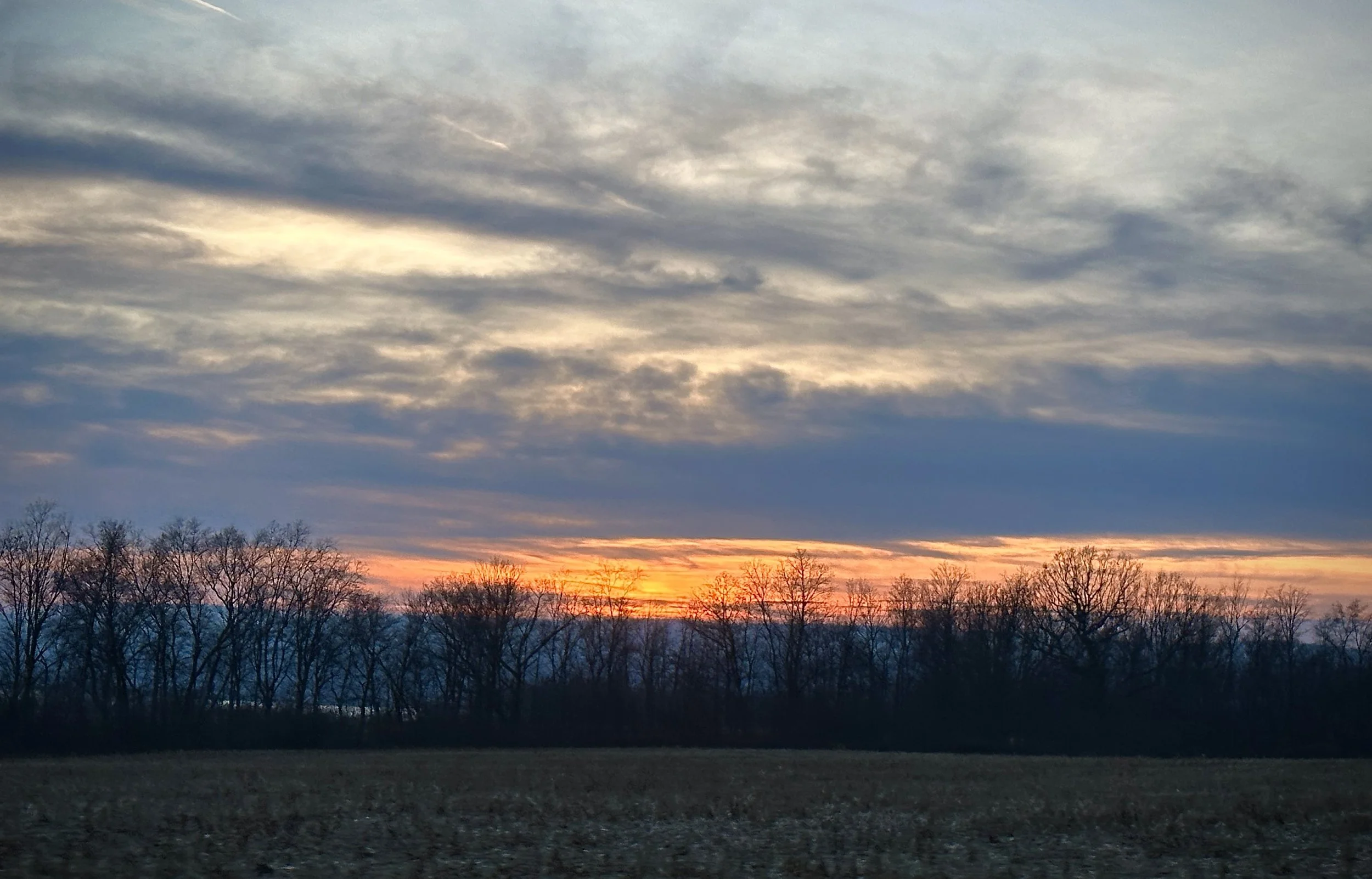
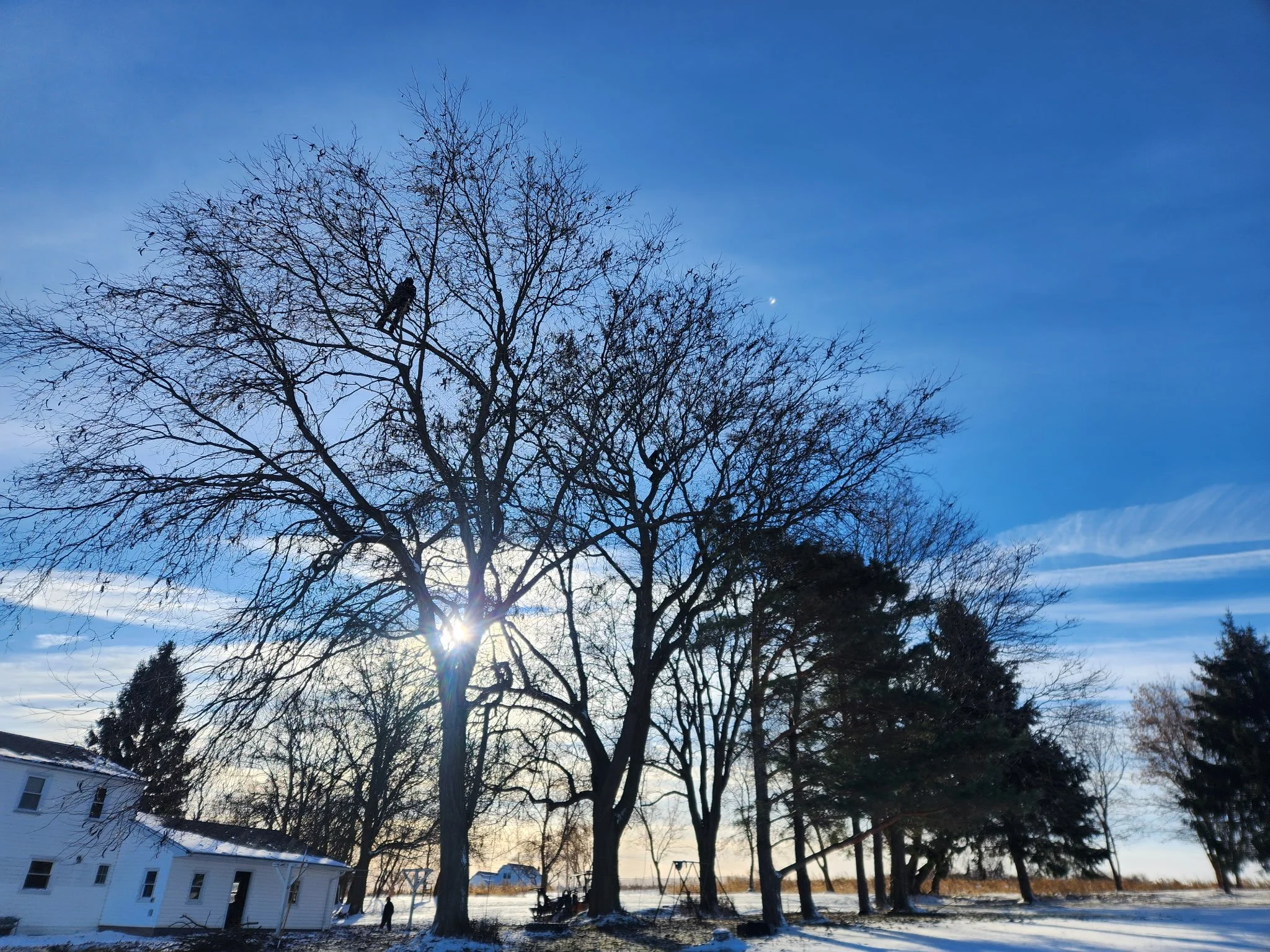
Even in the coldest months, with whipping winds, freezing rain, soft snows, or sudden warm spells common around the Finger Lakes and Rochester suburbs, our ISA Certified Arborists® are out caring for trees, pruning, stabilizing, and preparing landscapes for a healthy Spring start.
Winter seasonal dormancy means less stress to the tree during pruning, clearer visibility for structure assessment or adjustment, and frozen ground that helps protect your lawn.
Sustaining Your Trees Through Winter:
-

Structural & Safety Pruning
Pruning in winter can help remove weak, dead, or overgrown branches that might break off during snowstorms or with ice accumulation. This can reduce the risk of damage to your property or nearby structures. Early intervention can save you from more costly repairs or removals in the future.
With the leaves off our deciduous trees, their canopies bare, our ISA Certified Arborists® can clearly evaluate tree structure and perform precise winter pruning that promotes healthier, stronger spring growth.
Think something is up with your tree? Connect with us and our Certified Arborists who have the expertise to identify potential issues that may worsen during the Winter, or that we can help get ahead of, so the tree has a good start to Spring.
-
Dormant Season: Safer for Fruiting Trees & Oaks
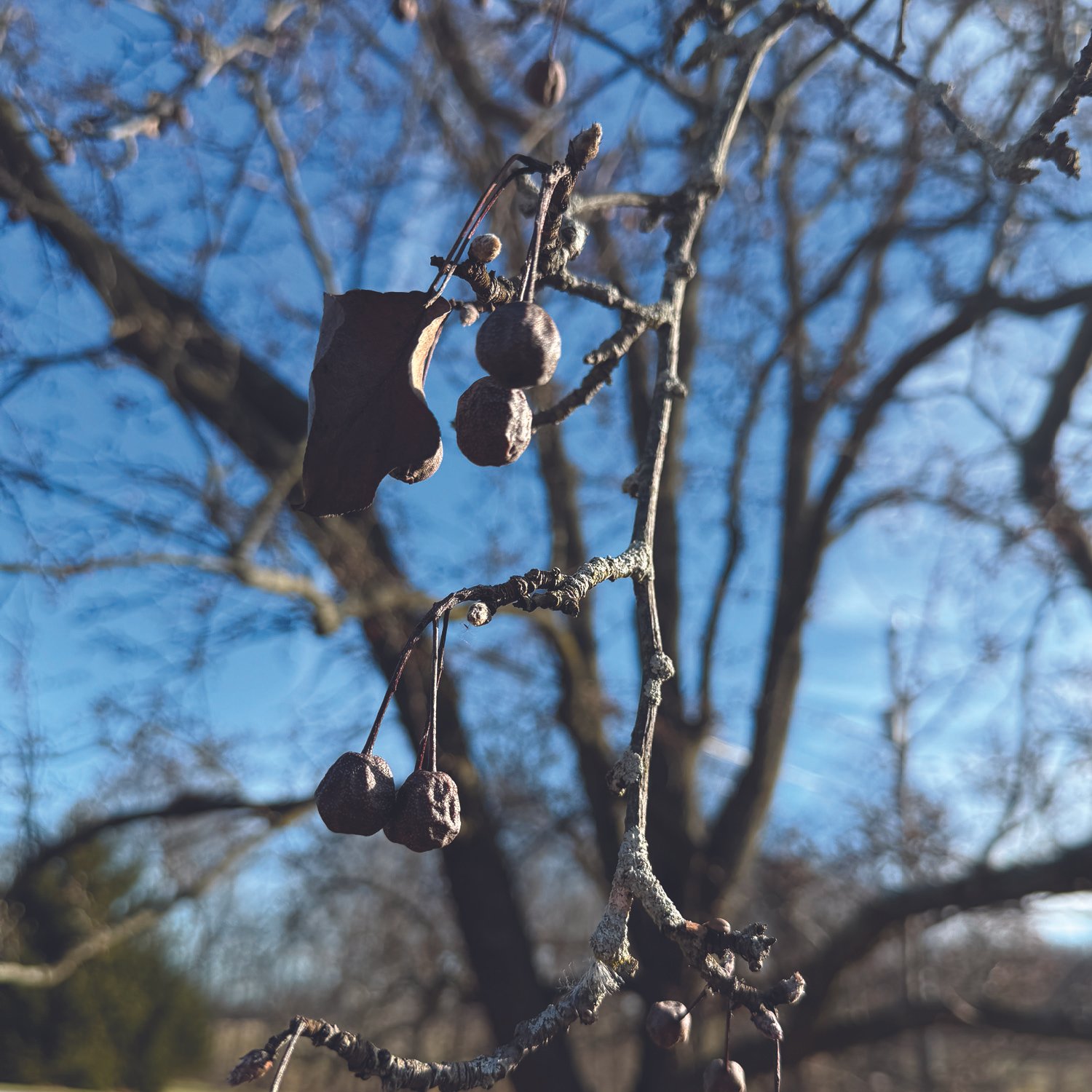
As we transition from Fall to Winter, it’s a great time prune our local Rochester and Finger Lakes fruiting trees and oak trees. A tree’s dormant state and cold temperatures (under 40 degrees) minimizes exposure to certain disease and fungi.
While there have been a limited number of cases of Oak Wilt in our area, it is of great concern. Oak Wilt is a fungal disease that is lethal to many Oaks. It is caused by the fungus Bretziella fagacearum which is spread via spore mats the Oaks host in the Spring/Summer. The fruity smell of these spore mats attract beetles and other insects which feed on the mats, often accumulating spores on the surface of their bodies. Pruning cuts create small wounds which secrete sap during warmer seasons, attracting the beetles that feed on the sap and can transfer fungal spores into the fresh wound, infecting the tree. Pruning Oak trees in winter greatly reduces the risk of an Oak Wilt infection as the fungal mats and beetles are not active during winter dormant periods.
-

Frozen Ground
As the ground freezes, trees enter full dormancy. While the cycle of freezing and thawing can push roots upwards and stress bark, the majority of trees in our region are well-adapted to endure this harshness. Deep watering in the Fall can help ensure trees have enough water to uptake and store for overwintering. Trees need less water throughout the dormant season, especially during extended periods of freezing temperatures. Watering is not recommended during those frozen periods.
Frozen ground can have some advantages for your landscape. While our crew always takes care to minimize impact to lawns/landscaping, frozen ground means your lawn is less susceptible to damage and in some instances can allow access for our crew and equipment, and space for processing logs and debris, that wouldn’t normally be available.
-
Mulch for Protection
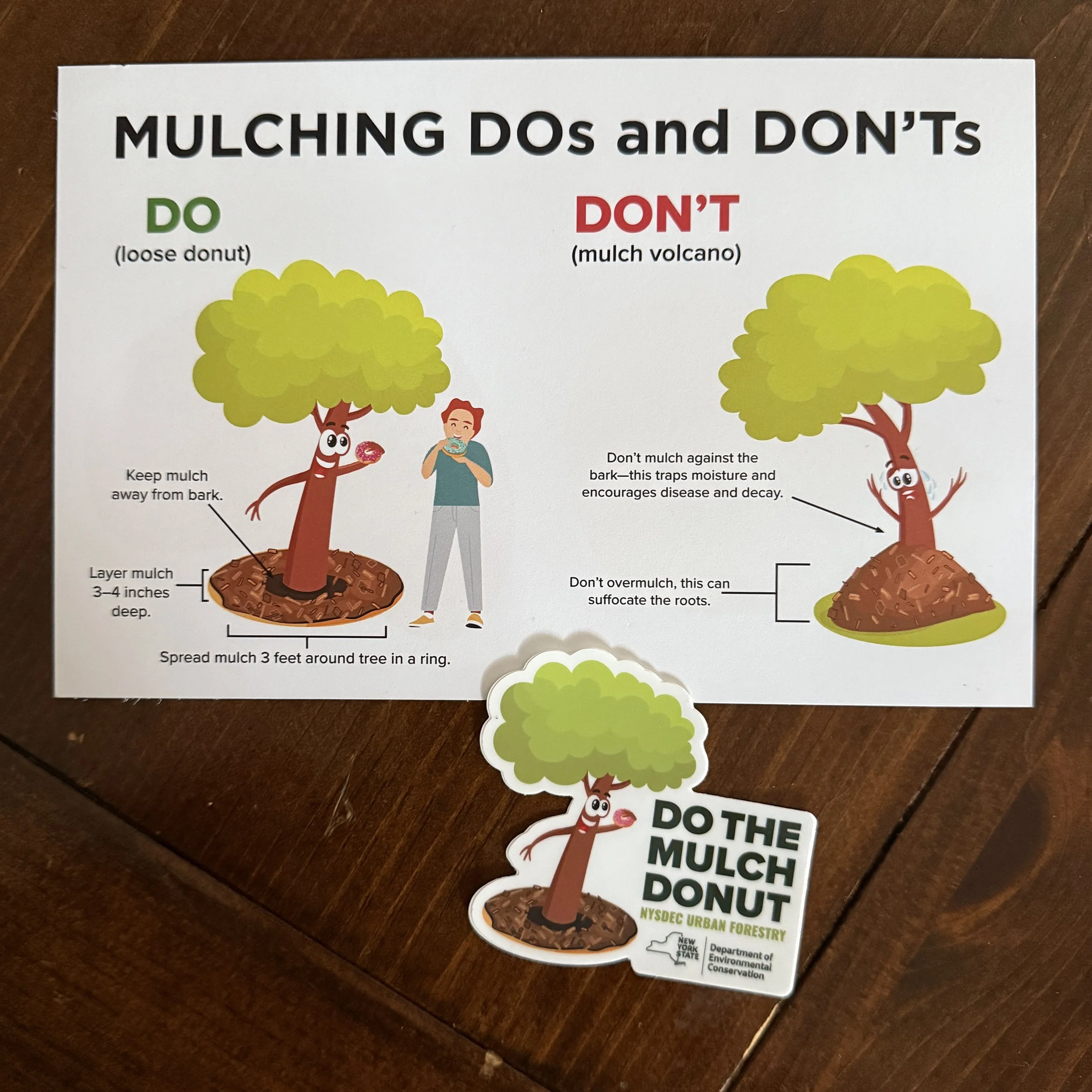
Mulching is one of the best ways to protect trees not only from drought and competing plants, but it also helps roots from freezing in our subzero New York Winter temperatures. A 2 to 4 inch layer of mulch around the base of the tree helps insulate the soil, conserve moisture, and protect roots from temperature fluctuations. Remember to keep mulch away from the trunk. Do the “tree donut” (not a volcano!). Need help installing a mulch ring? Our team can assist!
Cabling & Bracing
Your Trees for
Long-Term Health
Snow loads and ice accumulation are common in our Rochester and Finger Lakes regions and can quickly damage trees. Our Certified Arborists® assess tree health and structure to determine when cabling and bracing would be beneficial. Cables are placed strategically in the canopy, between limbs or leads to assist in distributing snow and wind loads more evenly. Bracing rods are used to stabilize split trunks or leads. Together they can help protect trees from weather stressors and increase the overall health and longevity of the tree.
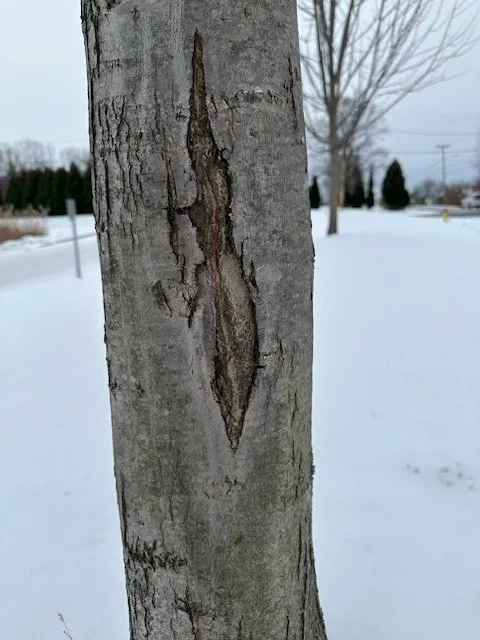
Whipping winter winds, snow, and ice can cause significant damage to trees. Protecting young or thin-barked trees (cherries, maples, crabapples, planetrees, redbuds, birch) with trunk wrapping can prevent frost cracks and damage. Ask us about this service.
Protect Against Winter Temperatures
Excellence in Tree Care
We get it…your trees and landscape are important to you. They’re important to our crew of trained and Certified Arborists® too. We combine our passion for sustainable tree and plant health care with expertise, leading industry practices - safety is #1 - and teamwork. We bring our commitment to the highest quality of care to you and your property, every day, no matter the season.
Whether you’re looking for advice on tree health or winter tree & landscape care, we’re here to provide the knowledge and services you need: disease mitigation, structural & safety pruning, cabling & bracing, full removals, PHC, and more. Reach out today to connect with our ISA Board Certified Master Arborist®, Marty Avila.
Need assistance?
Contact our team of professional Arborists to get additional information and request a quote: